
Neuralink: A Glimpse of Hope for Regaining Mobility
Imagine a world where people with paralysis or other debilitating conditions can regain control of their bodies. This isn’t science fiction, but the potential future thanks to companies like Neuralink. Their brain-computer interface (BCI) technology is making waves in the medical field, offering a glimmer of hope for those facing physical challenges.
So, how exactly does Neuralink work?
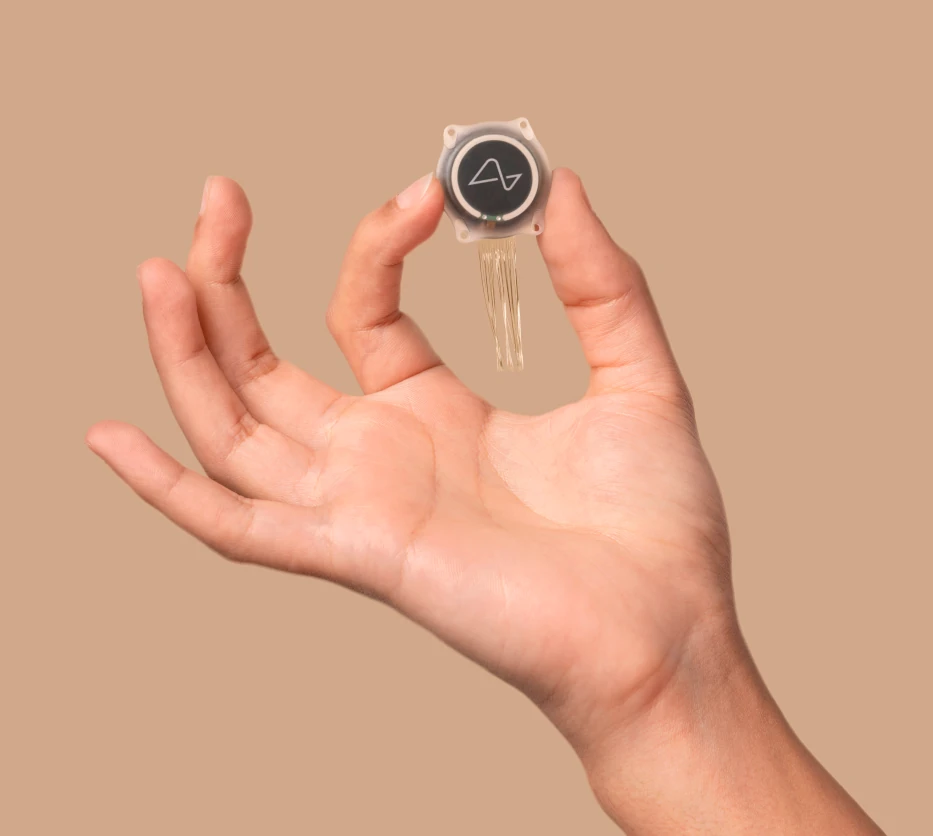
It involves implanting a tiny device with thin threads into the brain. These threads detect the electrical signals that fire when we think about moving. By deciphering these signals, the device can translate them into commands for external devices, like robotic limbs or computer cursors.
For people with paralysis, this could be life-changing. Neuralink’s goal is to allow users to control prosthetic limbs with just their thoughts. Imagine someone being able to reach for a glass of water or write a message, all through the power of their mind which is somewhat currently possible as the first human test has been successfully carried out.
The potential applications extend beyond mobility. Neuralink envisions a future where BCIs can help restore lost senses like sight or even create new ones. Imagine being able to “see” through a robotic camera or control devices directly with your thoughts.
It’s important to remember that Neuralink is still in its early stages. The technology is complex, and human trials haven’t begun yet. But the initial results with animals are promising, and researchers are constantly making advancements.
Of course, there are also ethical considerations surrounding brain-computer interfaces. Issues like privacy and security need to be carefully addressed. But the potential benefits for those with physical challenges are undeniable.
Neuralink represents a significant step towards a future where the boundaries between human and machine become increasingly blurred. It’s a future filled with both challenges and possibilities, and one that could revolutionize the way we interact with the world around us.
